Where it comes from
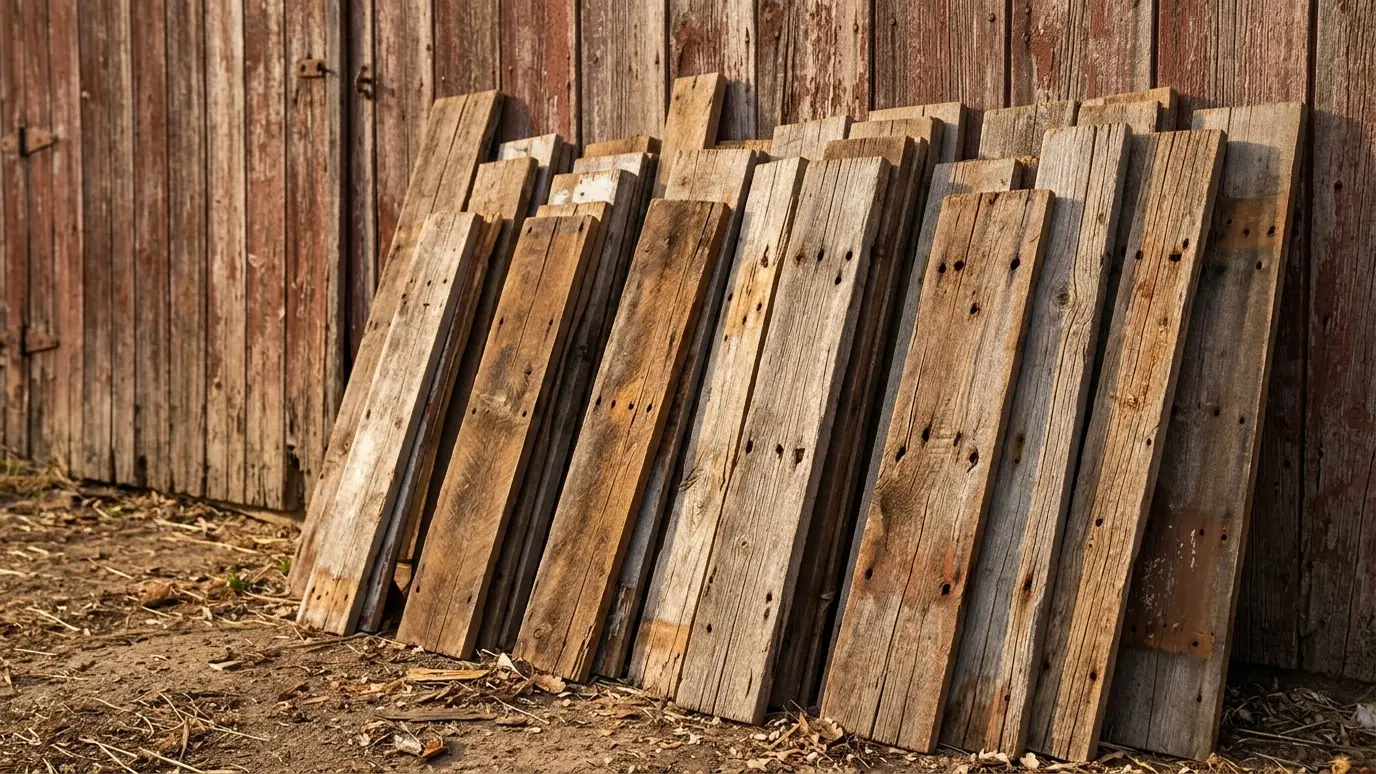
Reclaimed wood is salvaged from old barns, mills, factories and houses. It often comes from old-growth trees that are denser and more stable than modern lumber.
Every board has a story.
Preparing it safely
Salvaged wood needs cleaning, de-nailing and checking for pests, rot and old finishes. Kiln drying or treatment can handle insects.
We prepare it before it comes inside.
Looks and textures
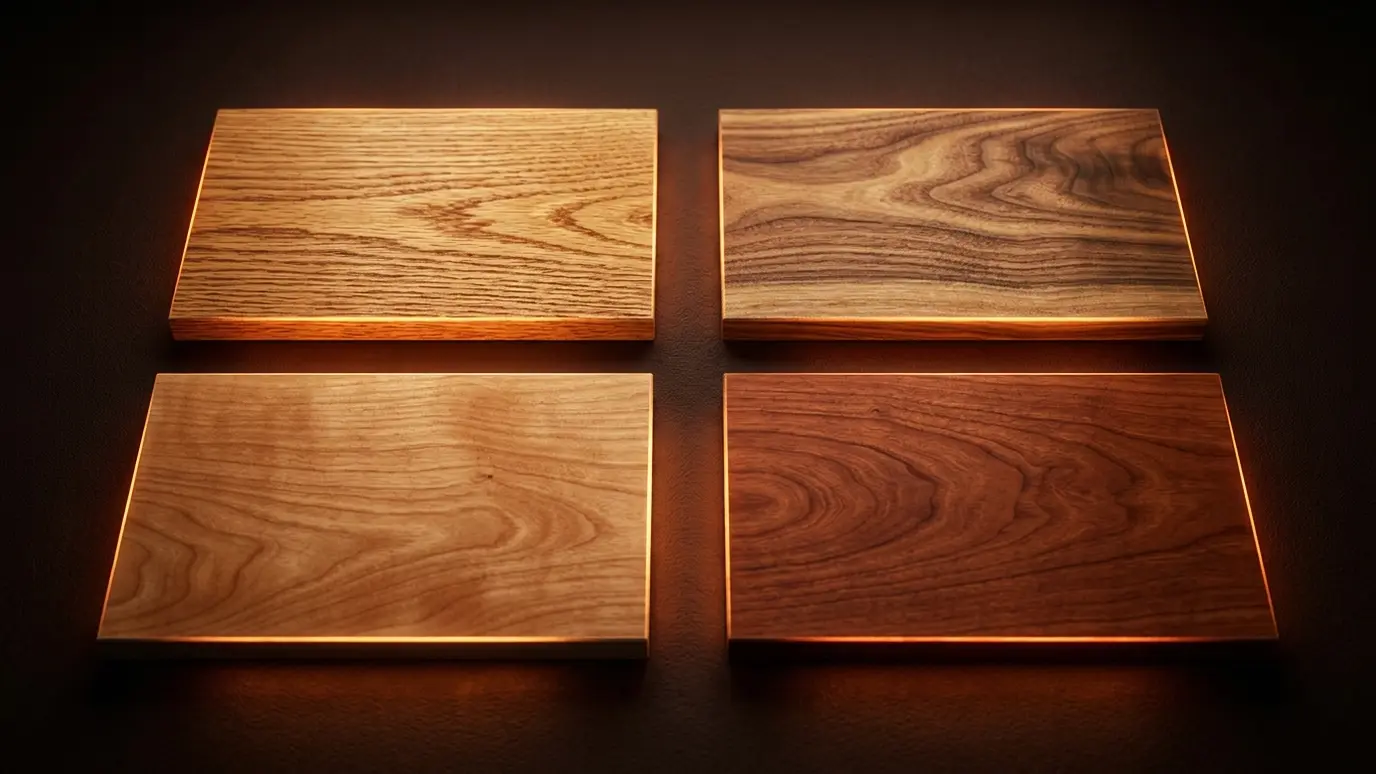
You can keep the rough surface, brush it lightly or plane it smooth. Each treatment changes the look and feel.
Samples help.
Using it
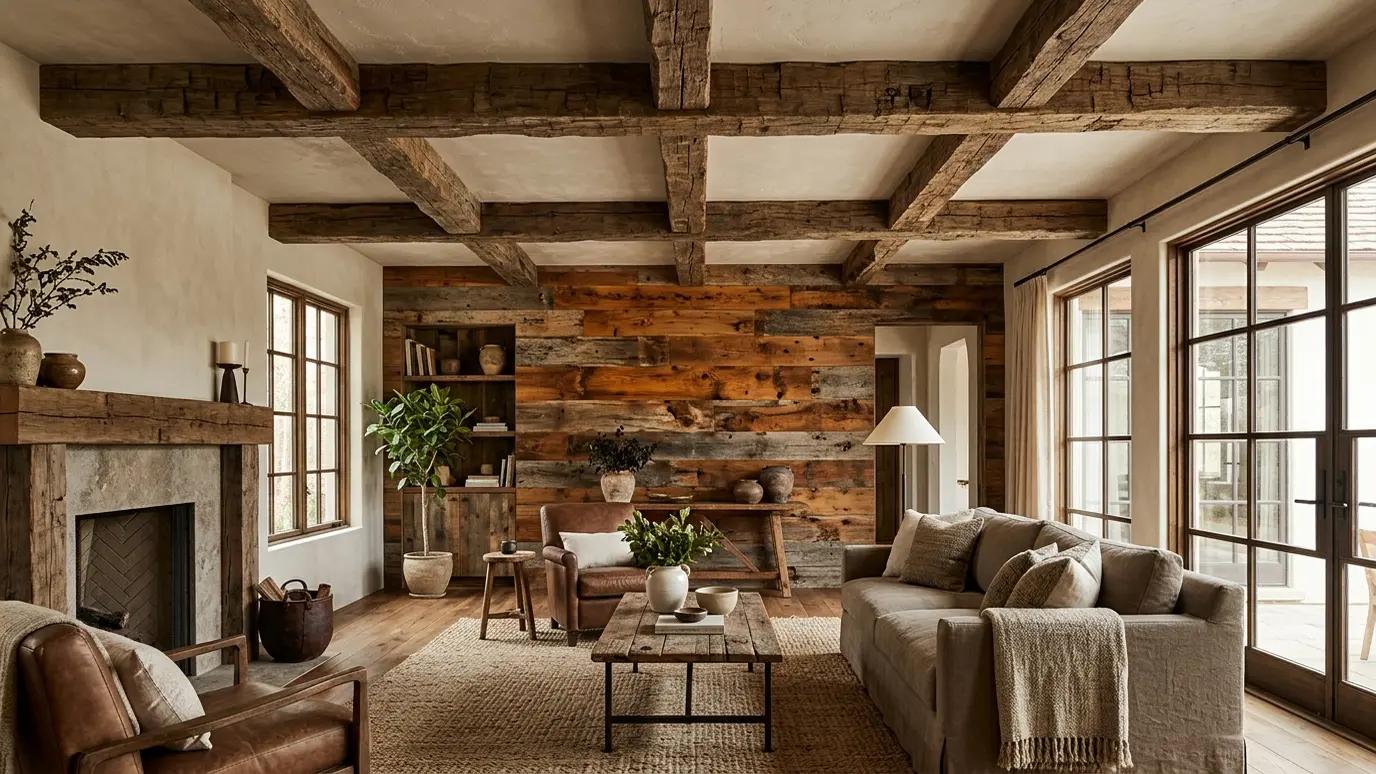
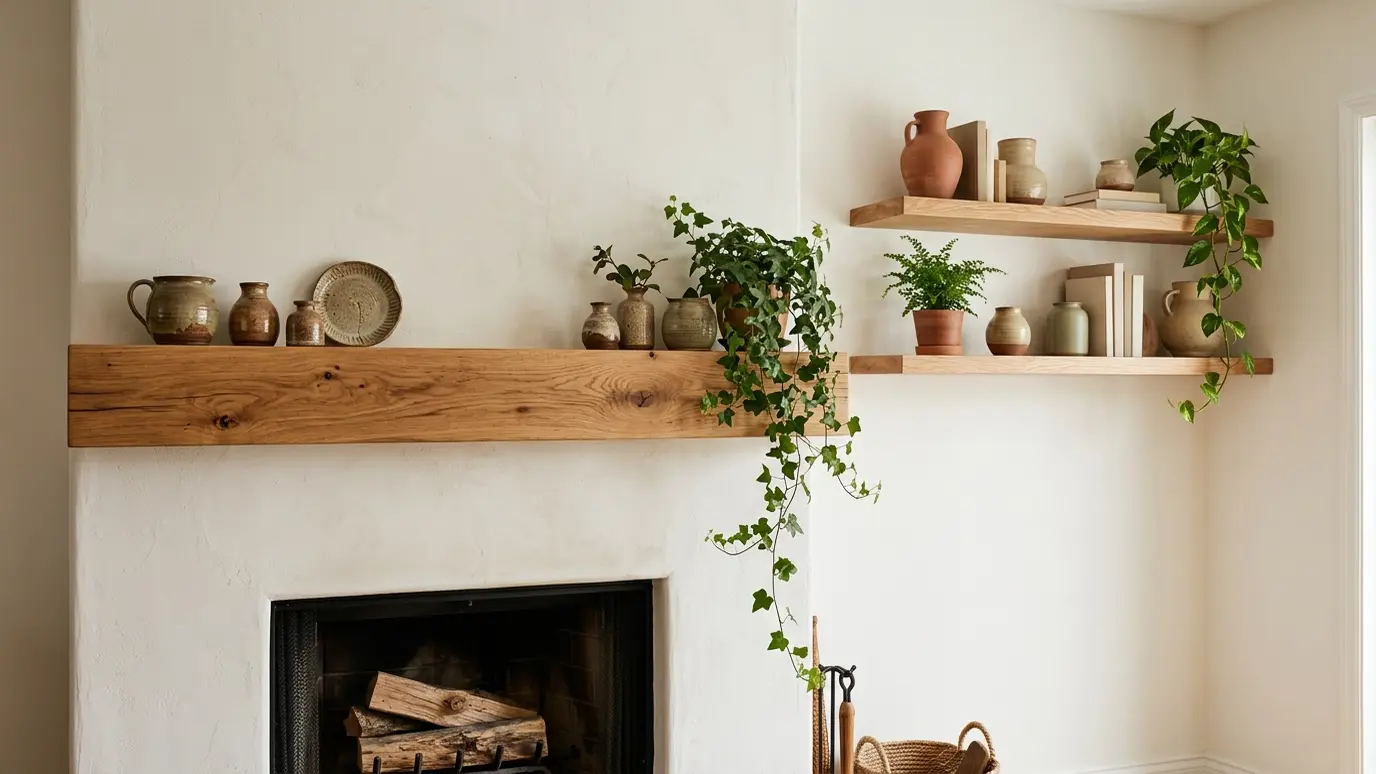
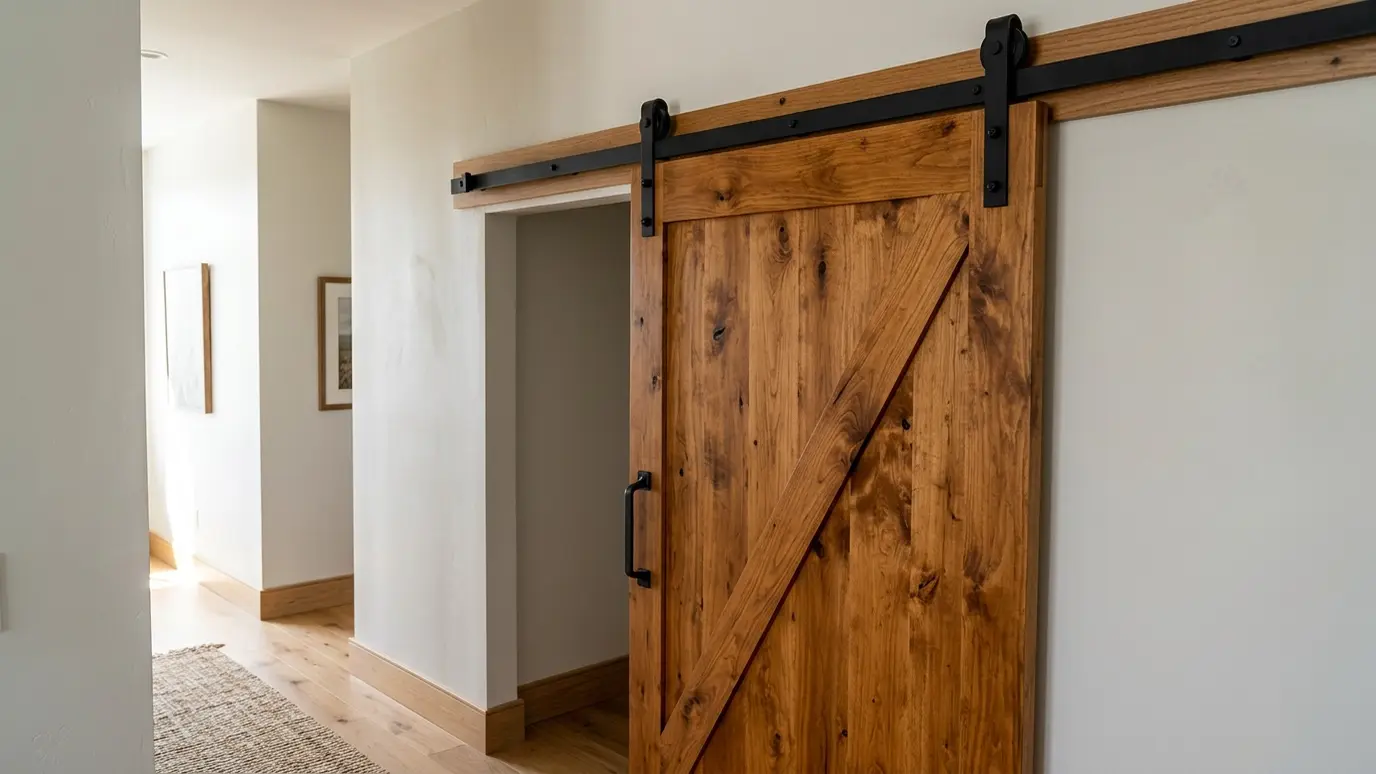
Reclaimed boards make beautiful accent walls, ceilings, mantels, shelves, doors and tables. Beams add character to rooms and porches.
Use sparingly for best effect.
Structural versus decorative
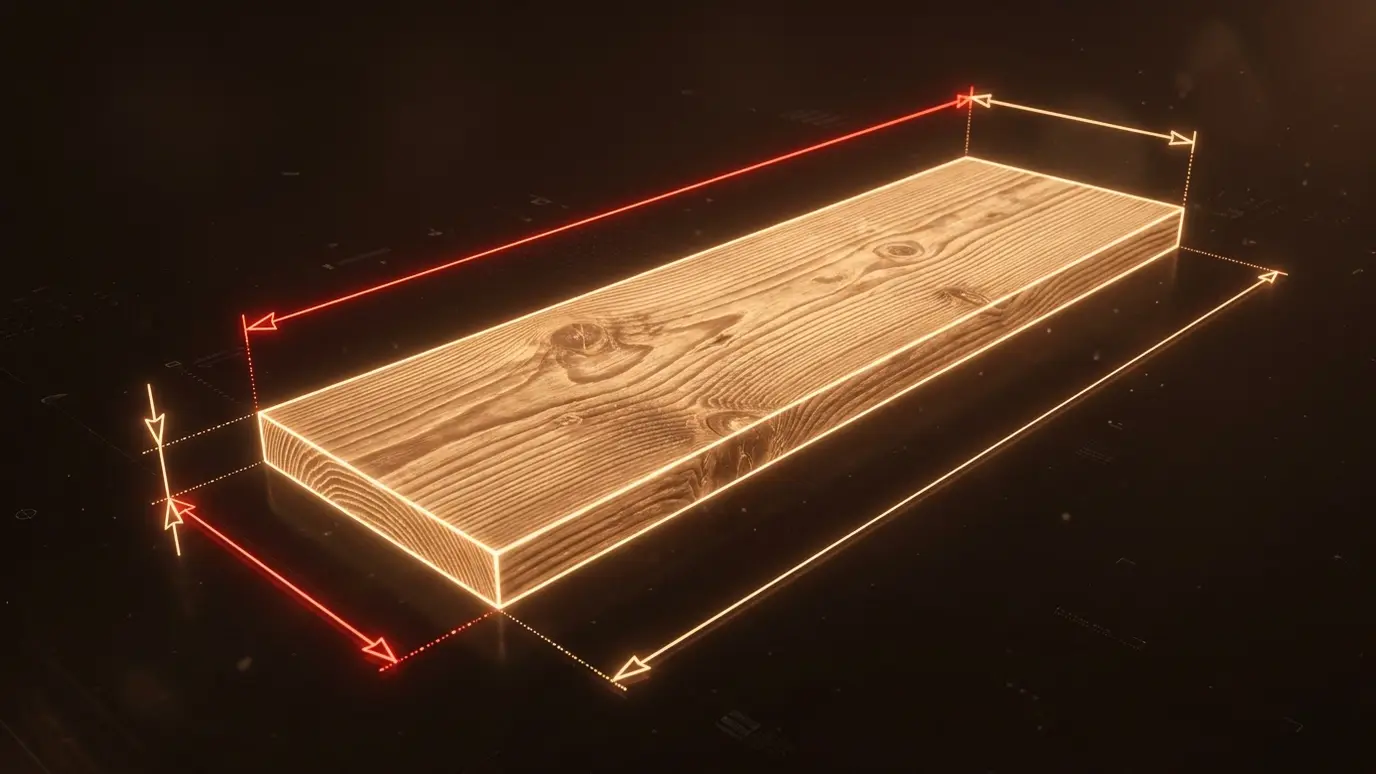
Some old beams are strong enough for structure and many are for looks. An engineer should review structural use.
We use box beams when the real thing is not safe.
Finishing and care
A sealer protects reclaimed wood from dust and stains while keeping the look. Light cleaning keeps it fresh.
Avoid heavy gloss.
Choose reclaimed wood for character, prepare it carefully and use it where its look can shine.