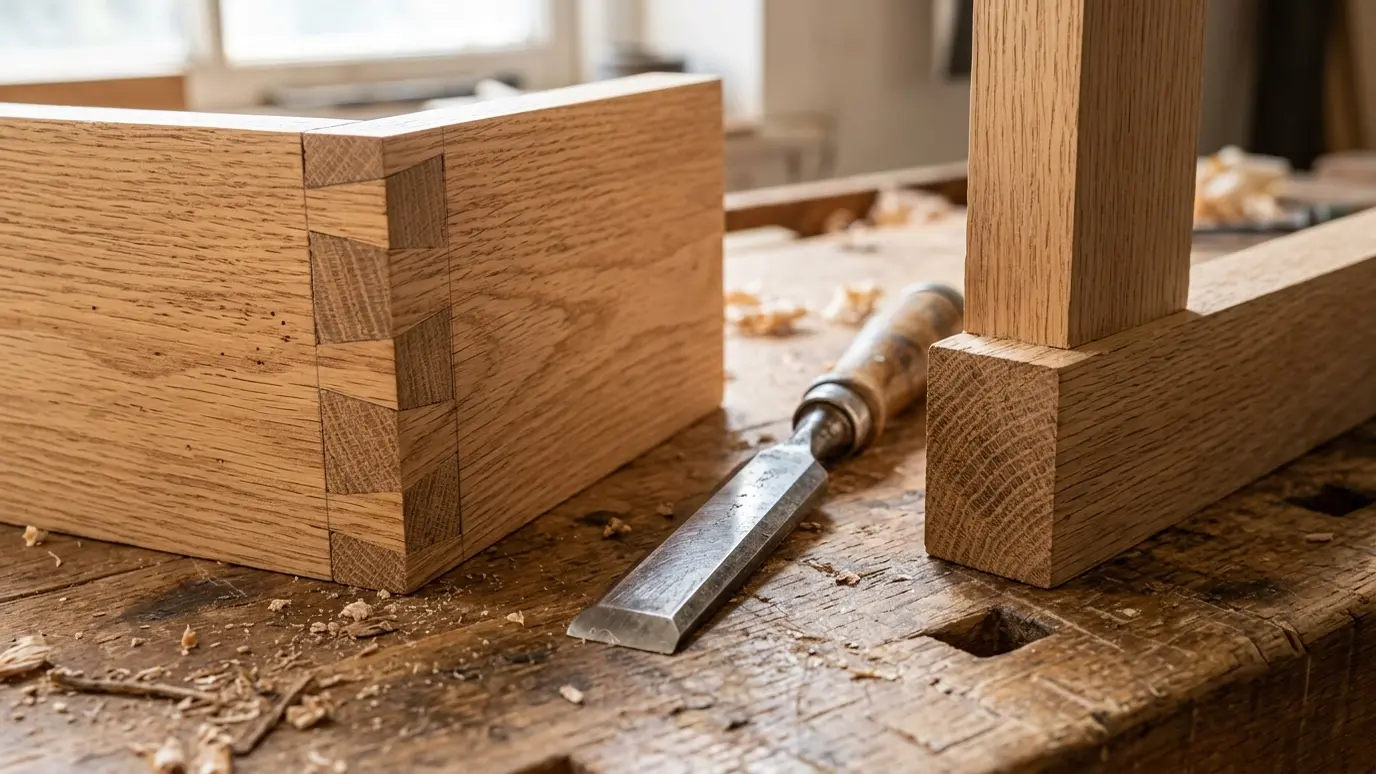
Mortise and tenon, dovetails, dados, pocket screws and biscuits explained, with when each one is the right choice.
Joinery is how pieces of wood connect, and it decides how long furniture and cabinets last. A mortise and tenon holds a table frame for generations, dovetails keep drawers tight and dados make shelves strong. Pocket screws and biscuits are quick and fine for many jobs.
Good joinery also respects wood movement. Wood swells and shrinks across the grain, so tabletops, panels and doors need joints that let them move without cracking. We use the strongest, most appropriate joint for each part.
Strong frames for tables and doors.
Tight drawers that last.
Strong shelves and cabinet boxes.
Fast, good for face frames.
Tops that stay flat.
Clean, strong bonds.
Pick a wood, plan stairs or ballpark a budget.
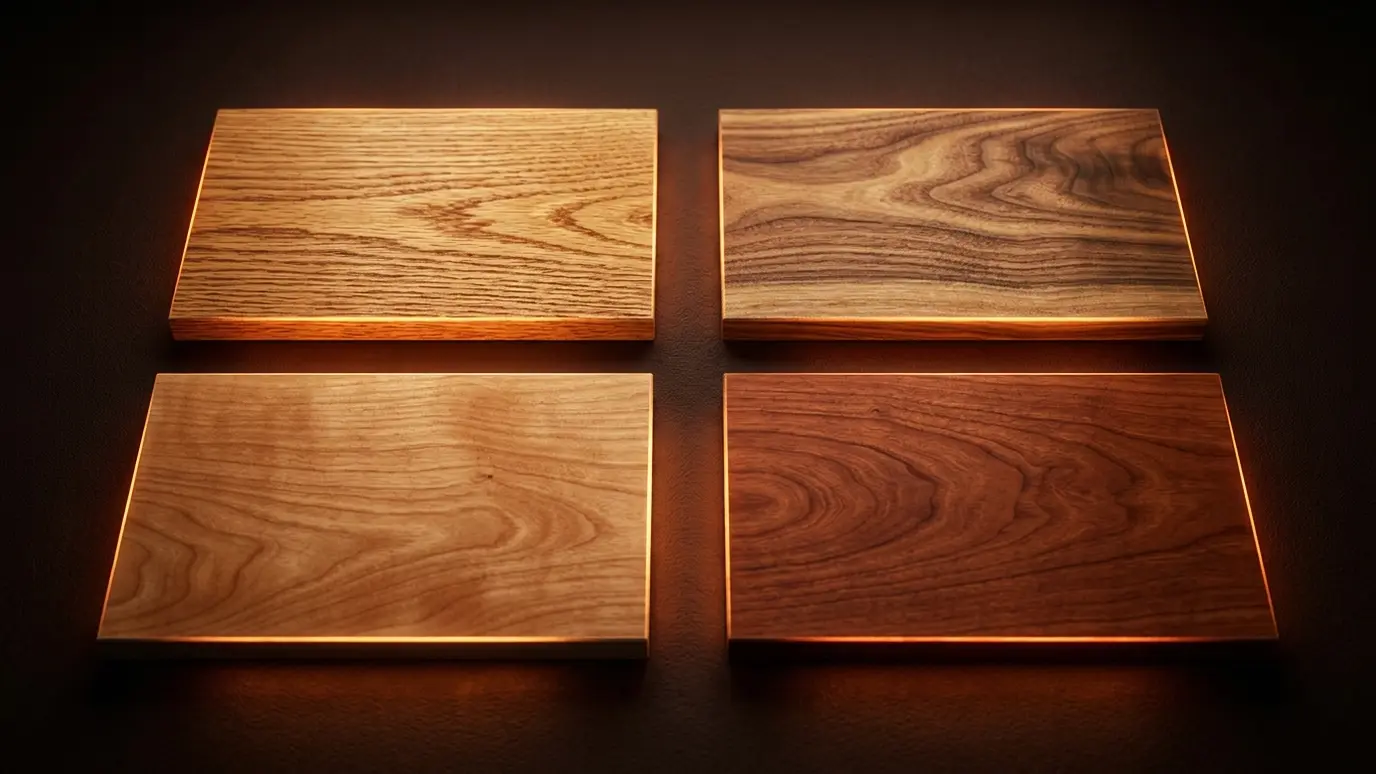 Which Wood Should I Use? QuizAnswer five questions about your project and see the wood species that fit best.Try it
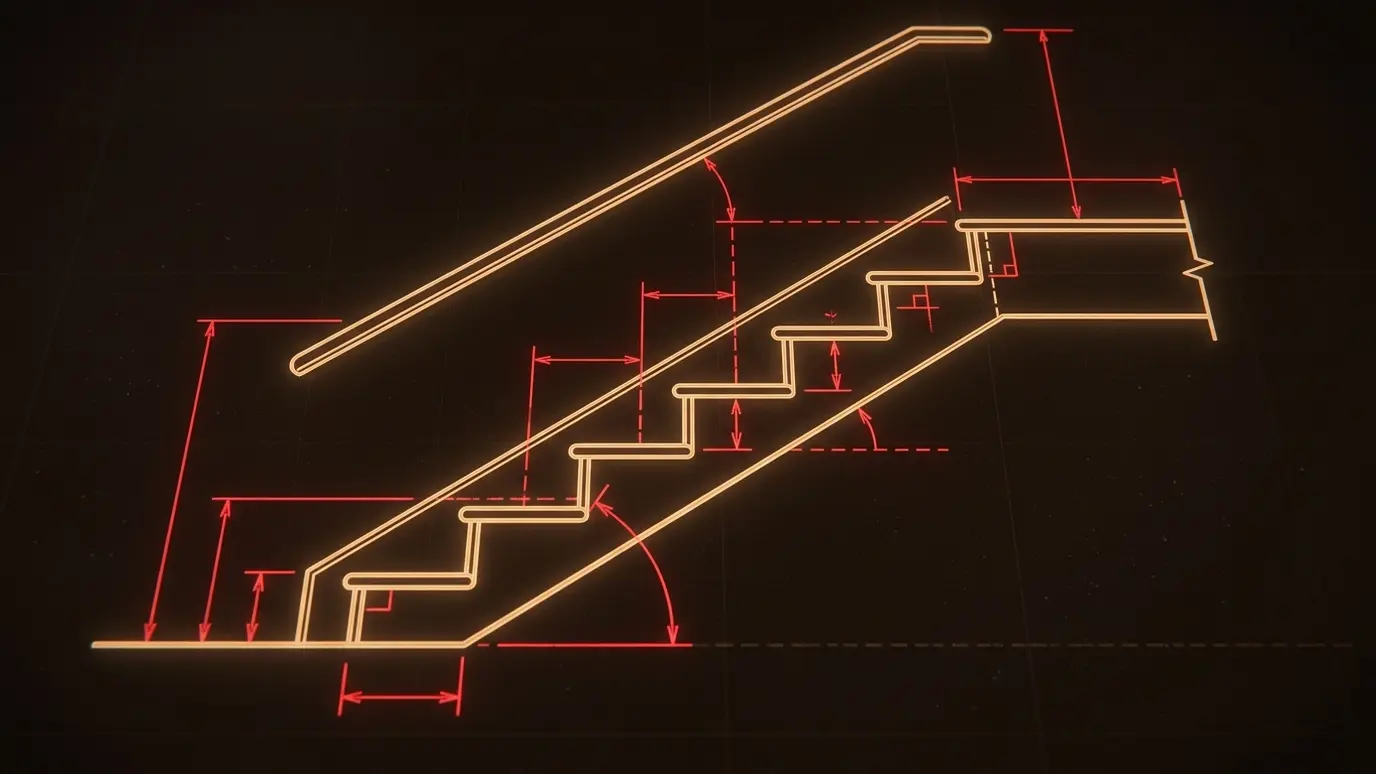 Stair Rise and Run CalculatorEnter the total rise and see the number of steps, the riser height, the tread depth and the stringer length.Try it
 Carpentry Project Budget PlannerPick a project and a size and get a ballpark planning range.Try it
For drawers they are very strong and durable. Other joints can also work well.
No. They are fine in many places, such as cabinet face frames, when used properly.
Often because the top was fixed rigidly and could not move with humidity.
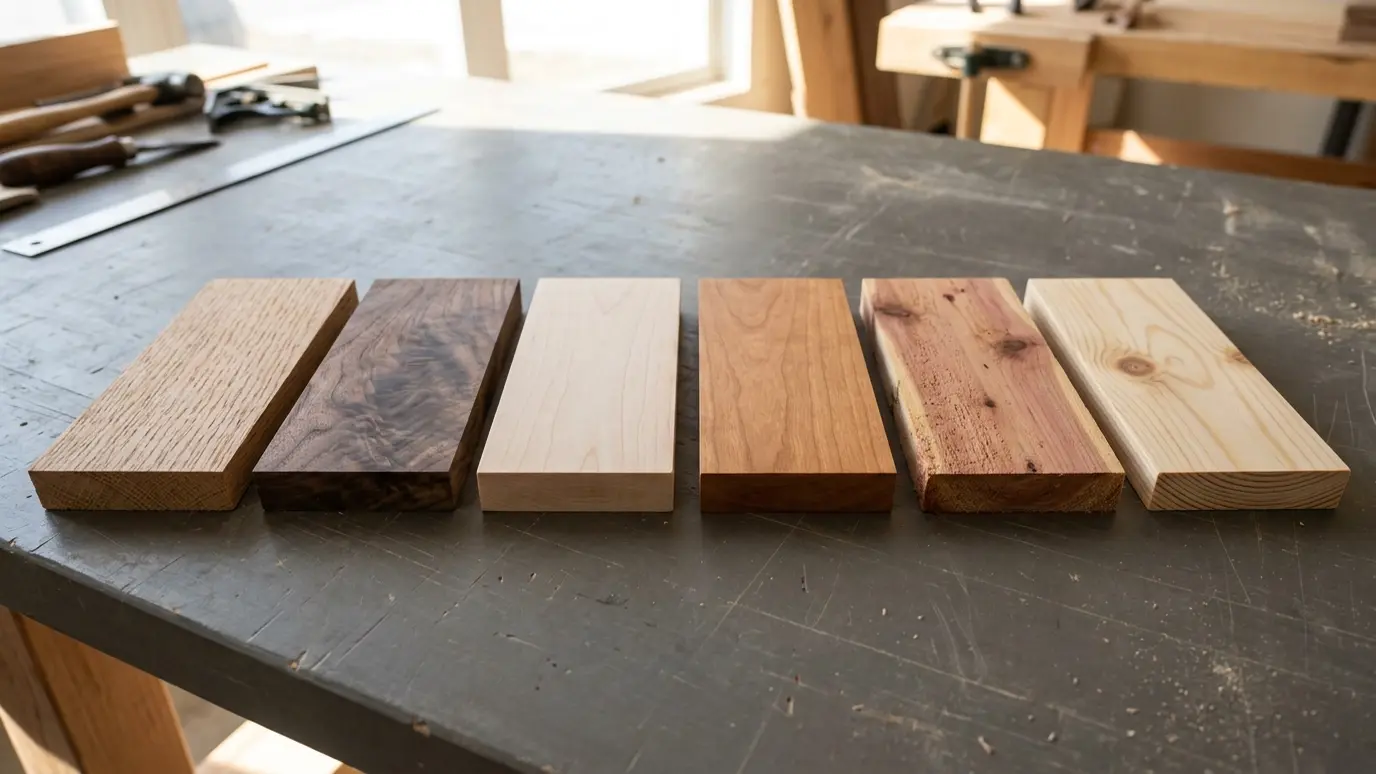 Material guideWood SpeciesOak, walnut, maple, cherry, cedar and pine compared by look, hardness, cost and best use in a home.Learn more
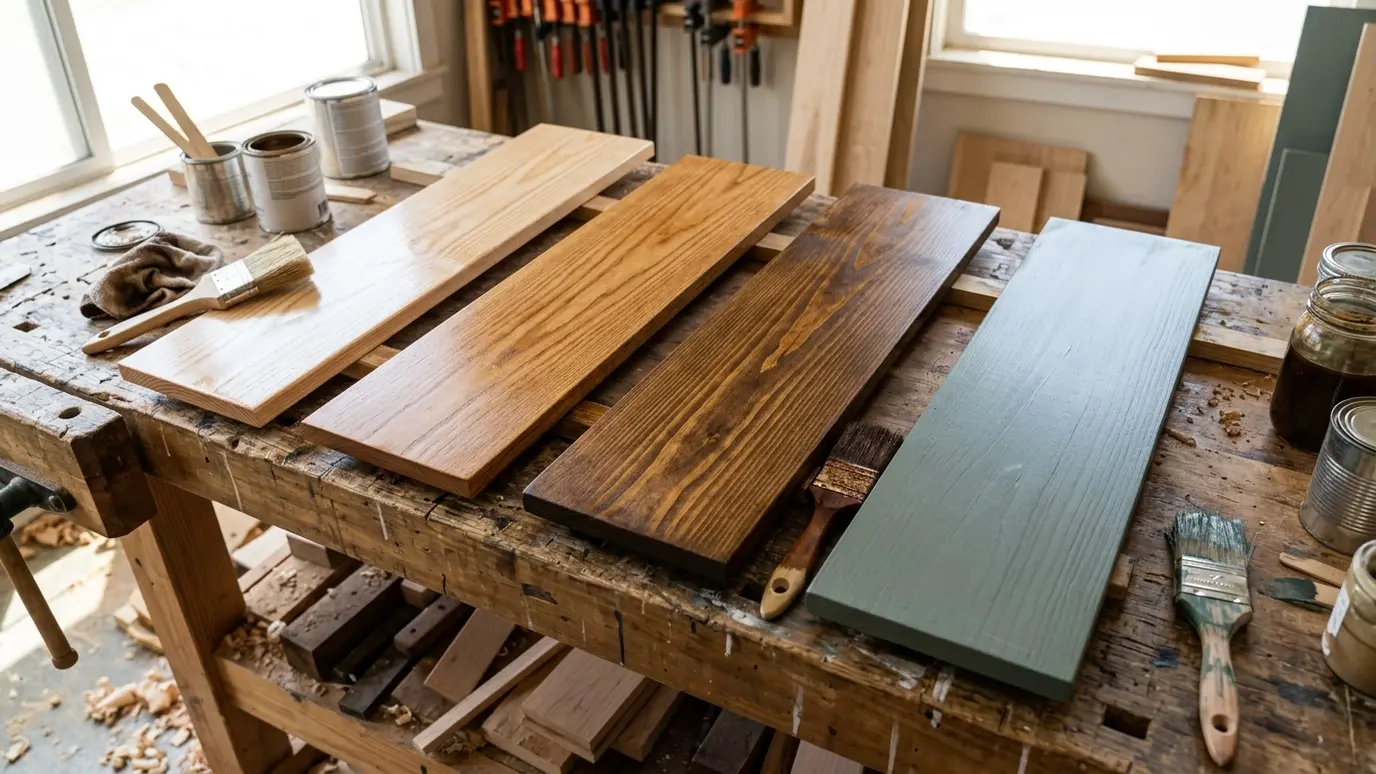 Material guideWood FinishesStain, oil, polyurethane, lacquer and paint compared for look, durability and care on furniture, floors and trim.Learn more
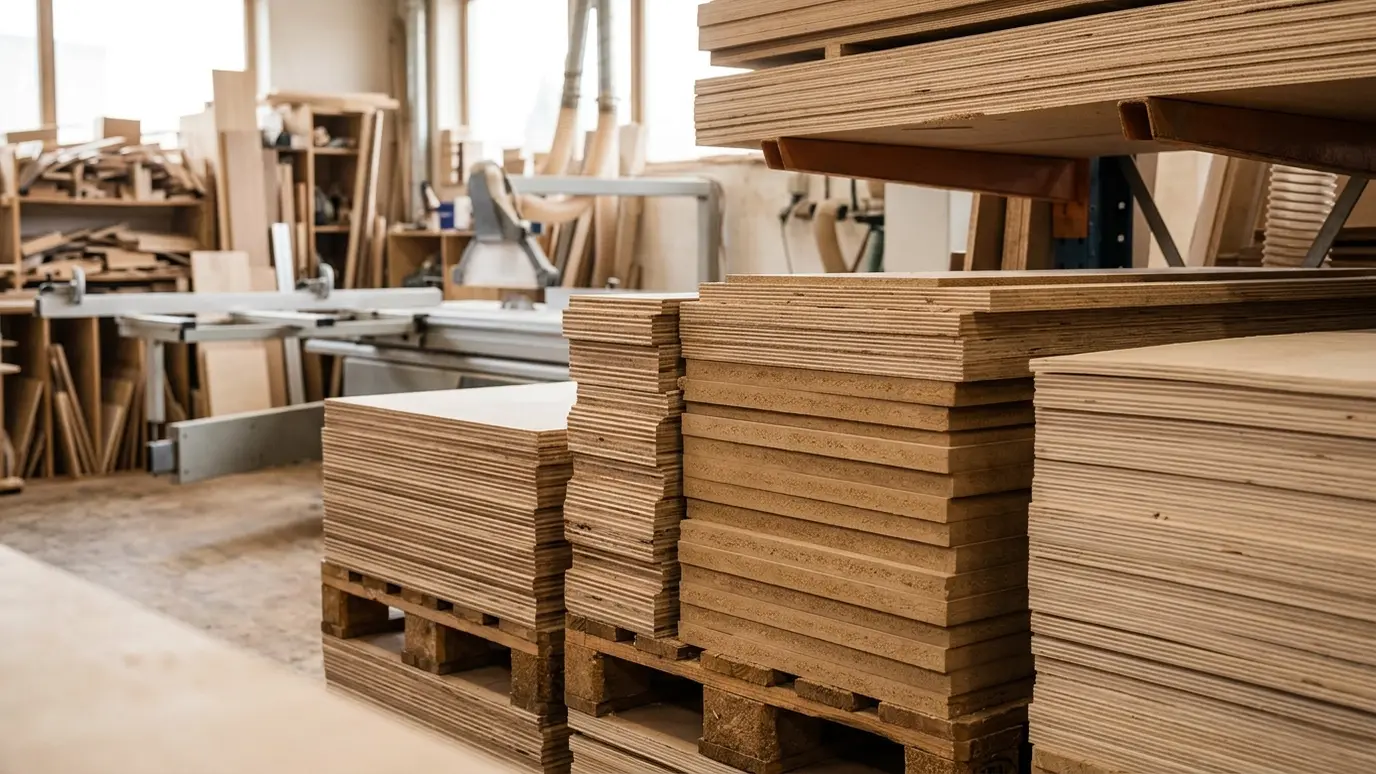 Material guidePlywood and Sheet GoodsPlywood, MDF, particleboard and veneer sheets compared for cabinet boxes, shelves, panels and paint-grade work.Learn more
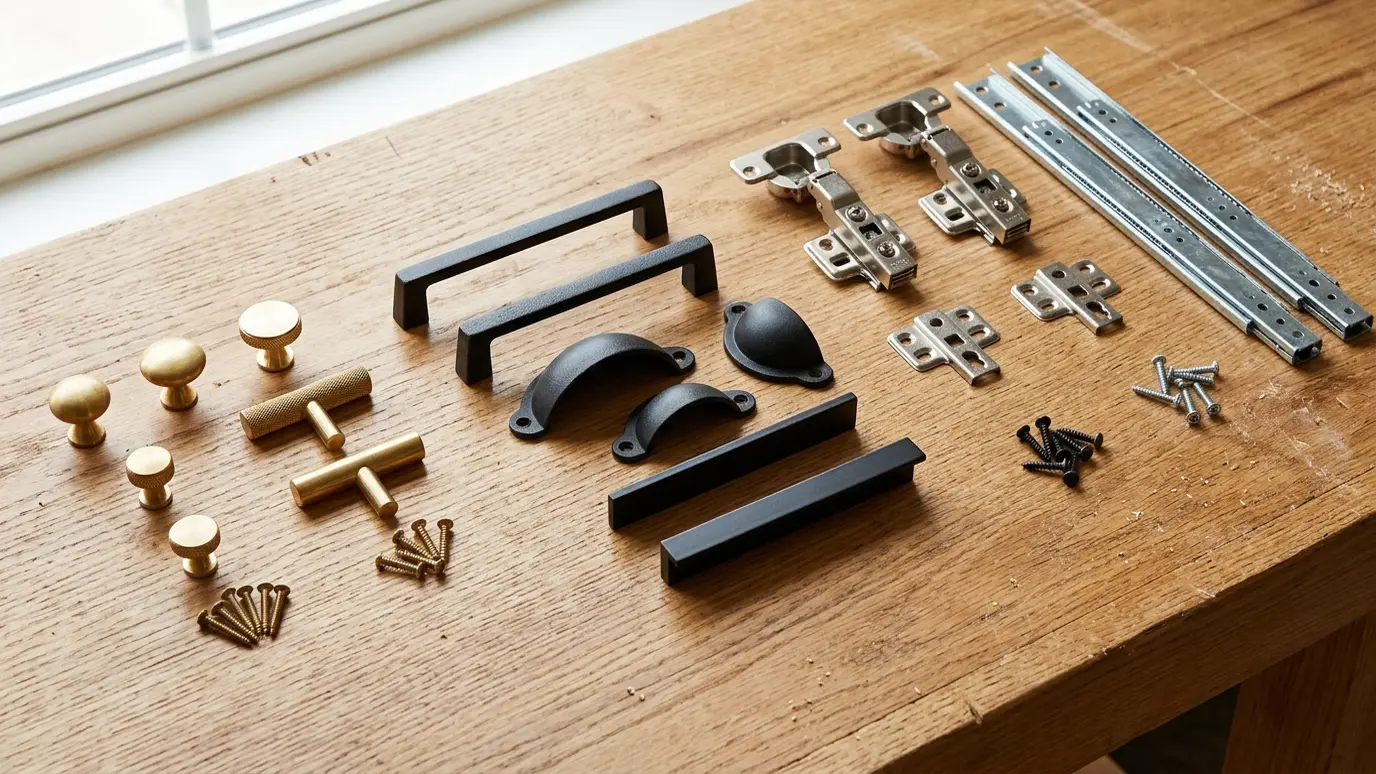 Material guideCabinet and Door HardwareHinges, drawer slides, pulls, knobs and locksets compared for feel, finish and long-term performance.Learn more
Call us and we will walk the space, talk through ideas and give you a clear plan and a written scope.