Why trim matters
Trim finishes the joints between surfaces and sets the style of a house. It also protects walls and hides gaps.
Thin trim can make a house look plain.
Baseboard
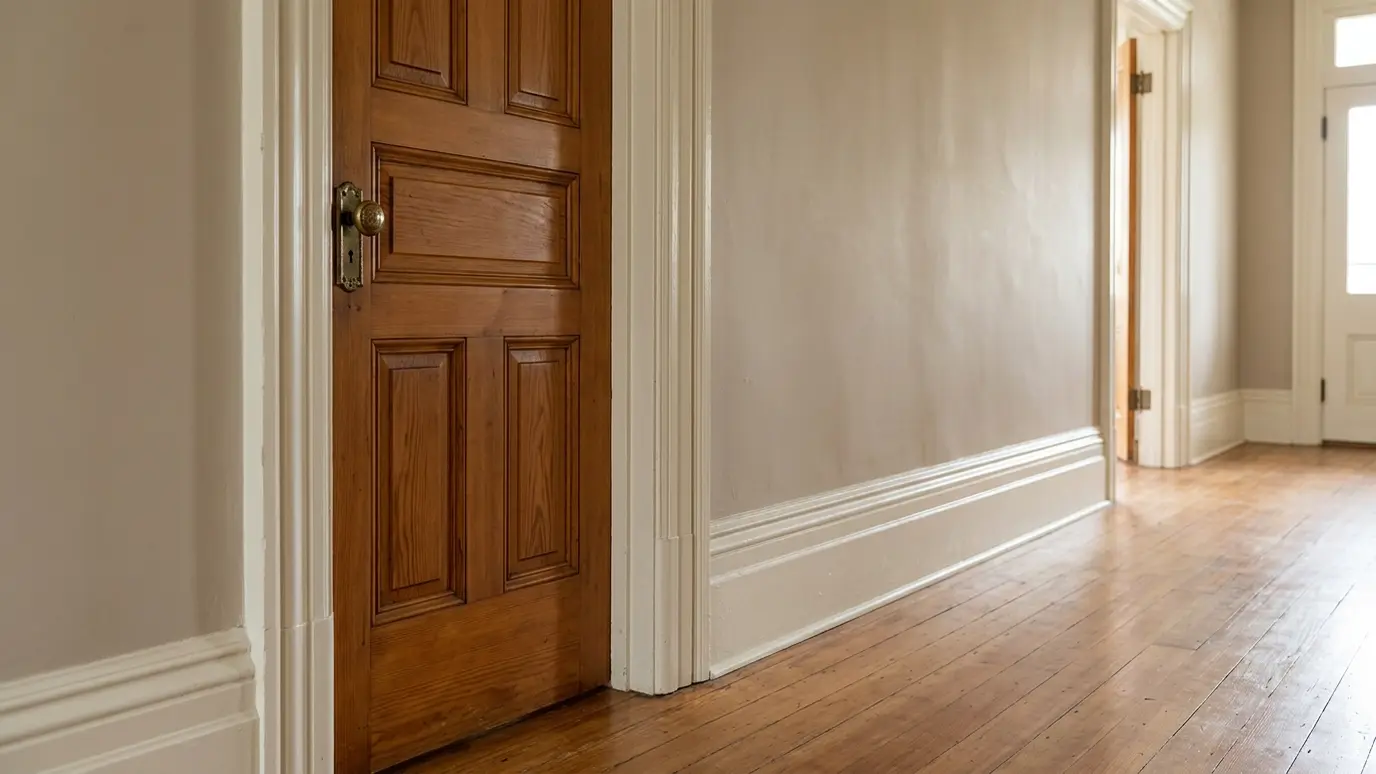
Baseboard sits at the bottom of the wall. Taller boards suit taller rooms, and a cap or shoe adds depth.
Flat and simple suits modern and craftsman, and curved suits traditional.
Door and window casing
Casing frames openings. Wide, flat casings with a cap look craftsman, and molded casings with a plinth look classic.
Match the style of your doors.
Crown molding
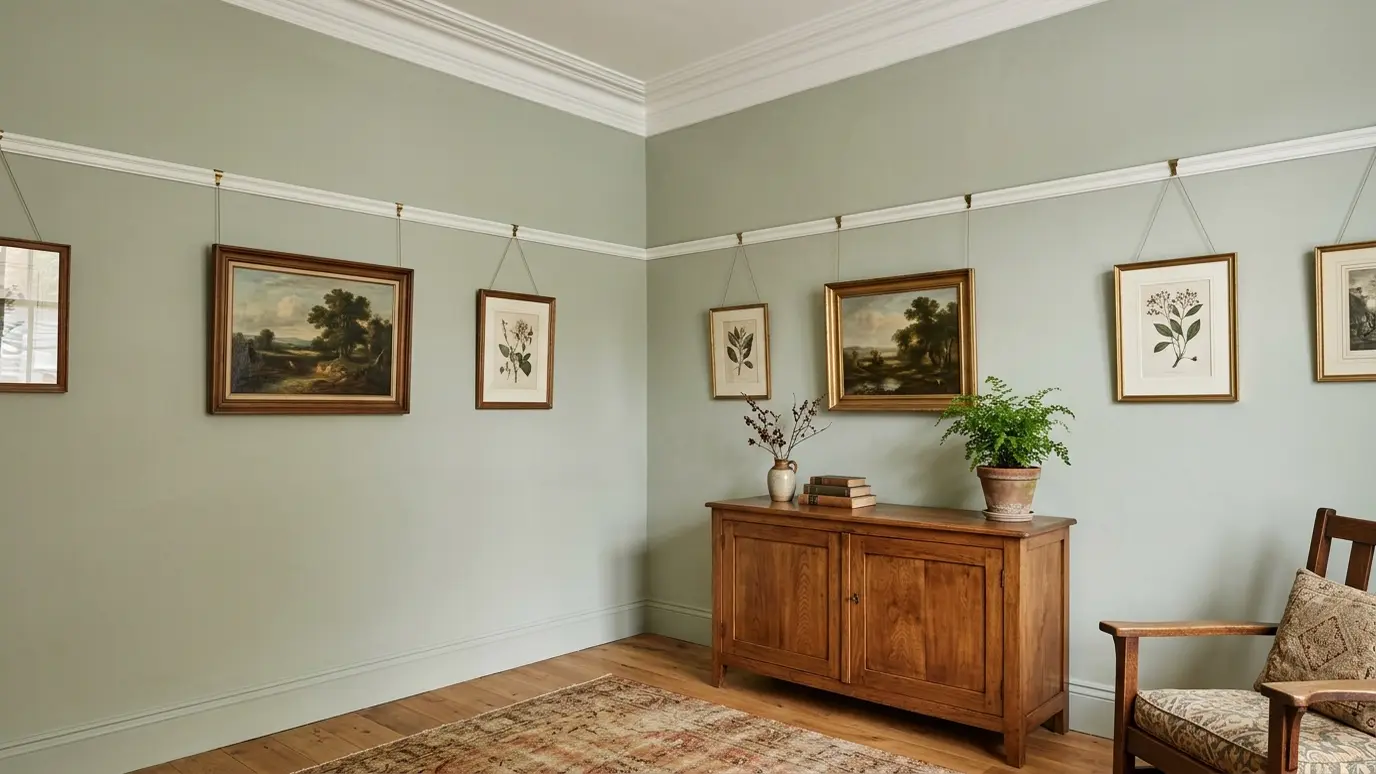
Crown softens the wall to ceiling line. Taller ceilings can carry bigger crown, and built-up crown adds drama.
Keep scale in proportion.
Wainscoting and paneling
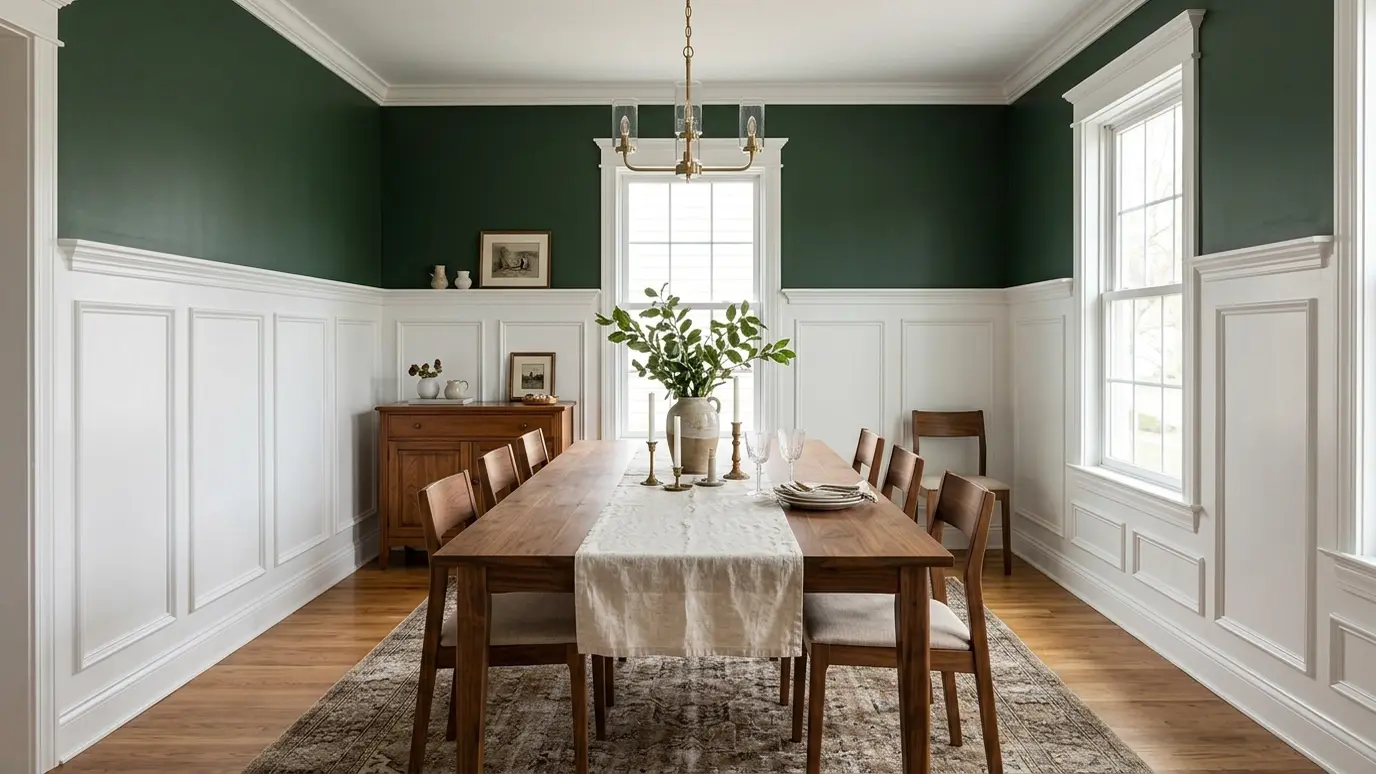
Panels add texture and protect lower walls. Shadow box, beadboard and board and batten each set a mood.
Height and spacing matter.
Putting it together
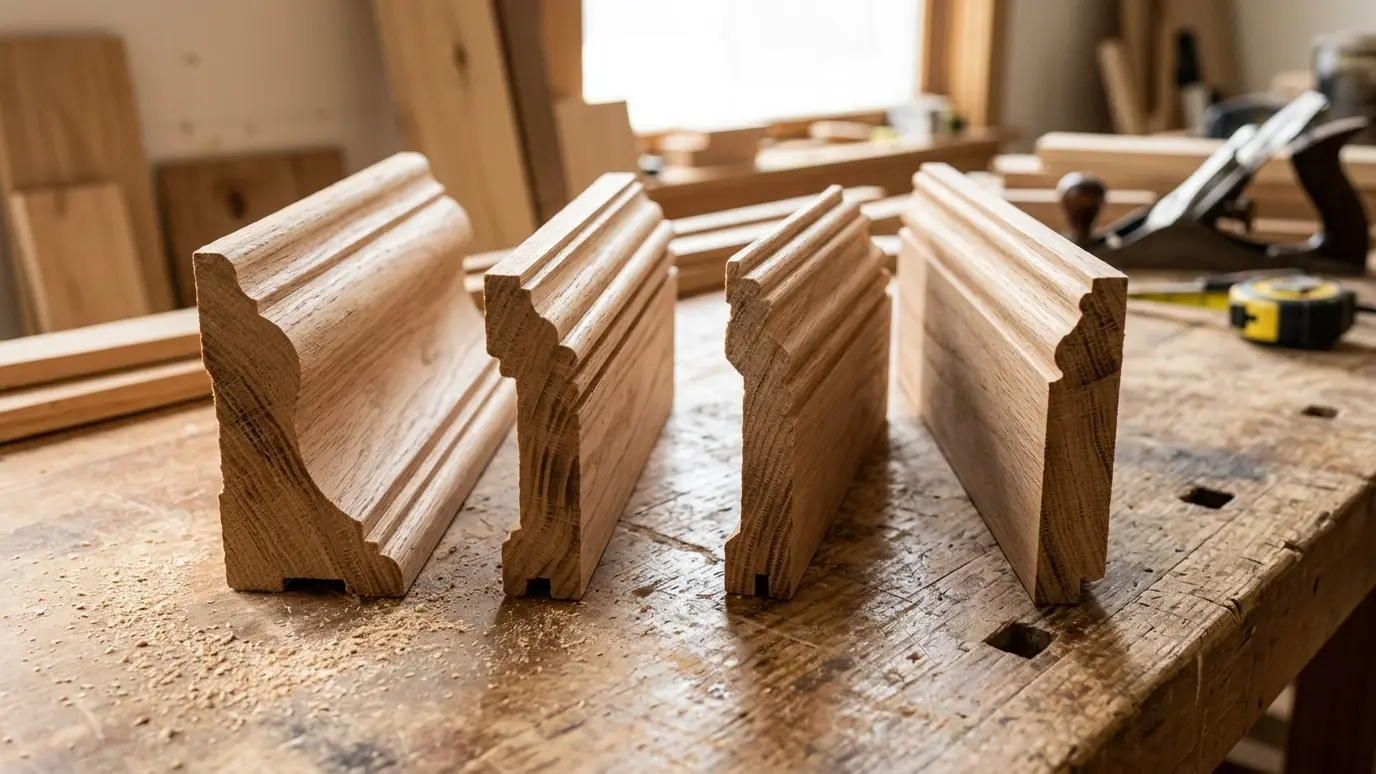
Good trim packages use related profiles and consistent proportions. We sketch the package and show samples so you can see how it works.
Details matter more than quantity.
Choose trim in proportion to the room and keep the profiles related.