What rot needs
Rot needs wood, moisture and oxygen, with temperatures that fungi like. Remove the moisture and rot stops.
The goal is to keep wood dry.
Where rot starts
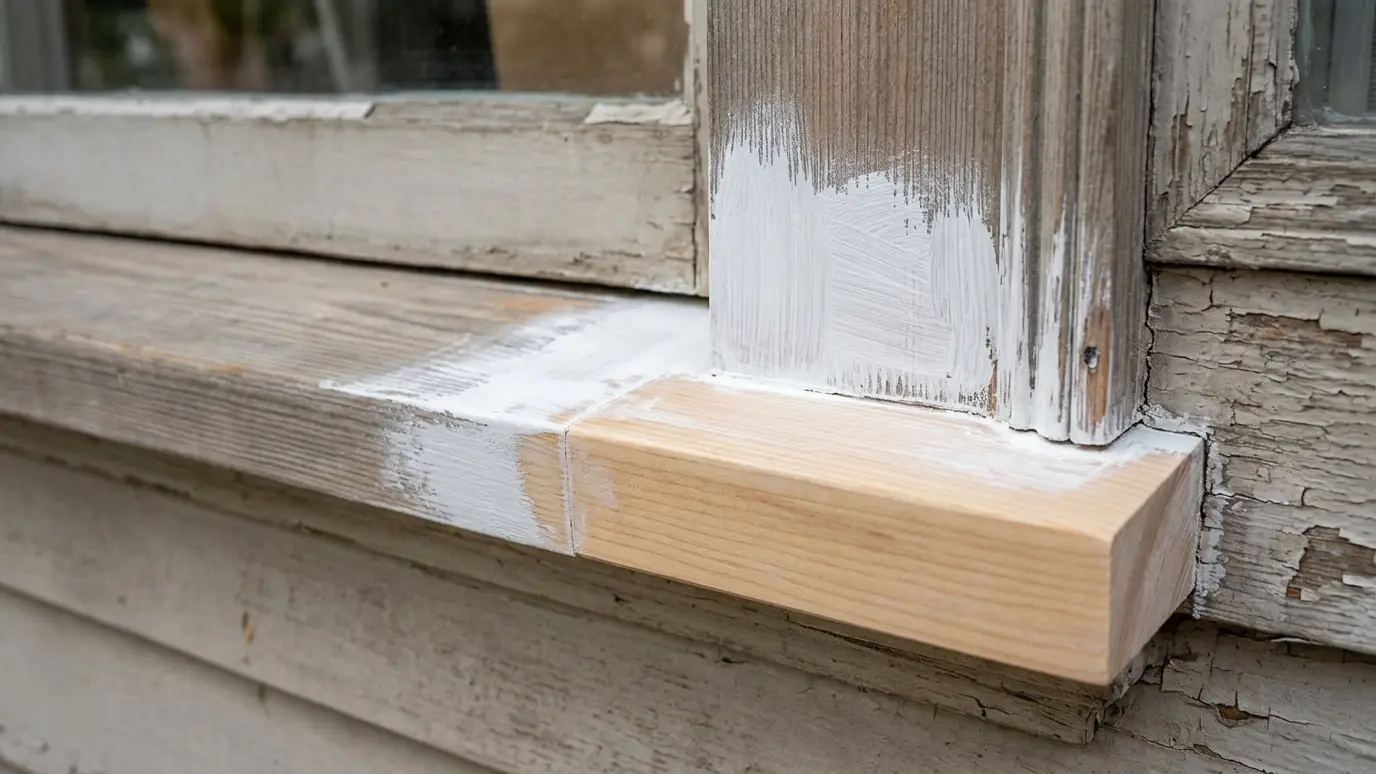
Window sills, door thresholds, deck ledgers, post bases and trim ends hold water. Joints that trap water rot first.
Look there every year.
Flashing and drainage
Flashing sheds water out of walls. Gutters, grading and downspouts keep water away from the house.
Good details beat good paint.
Sealing and painting
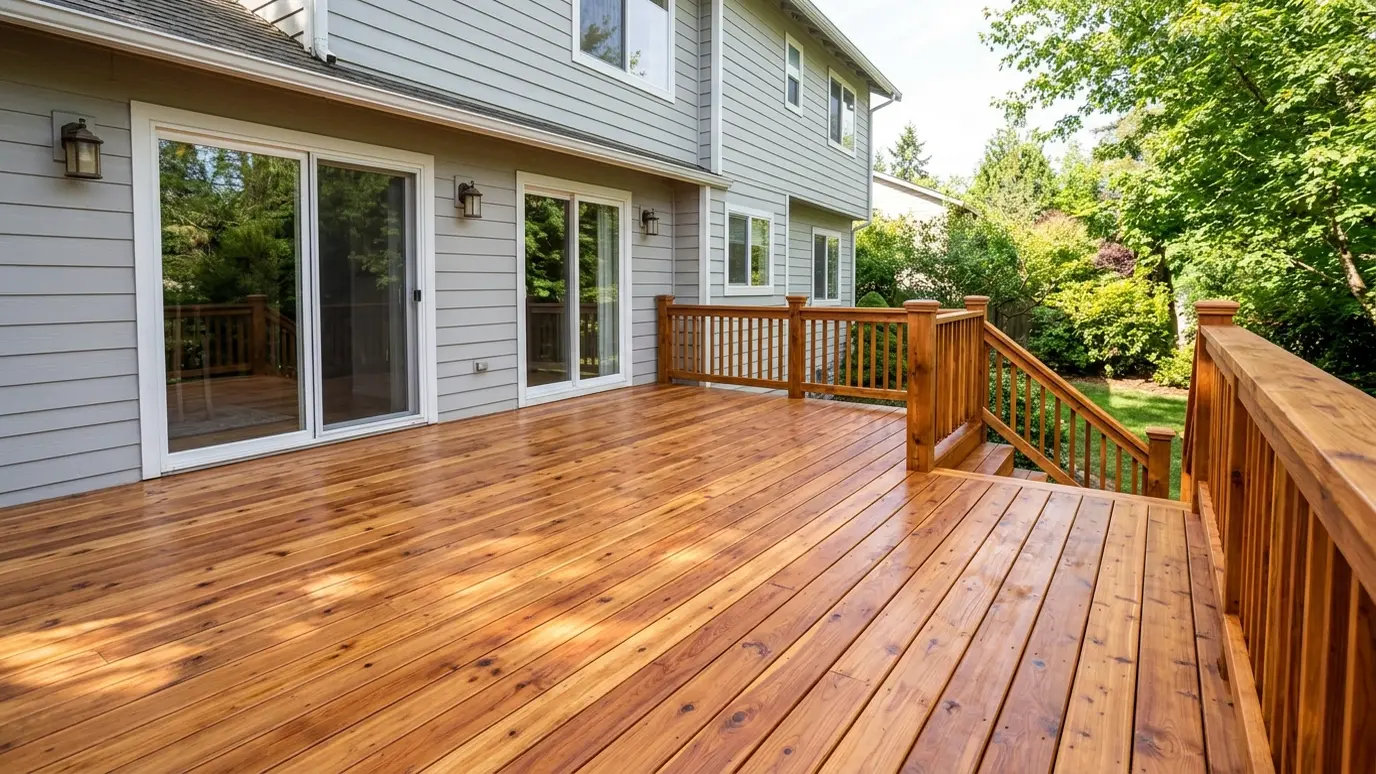
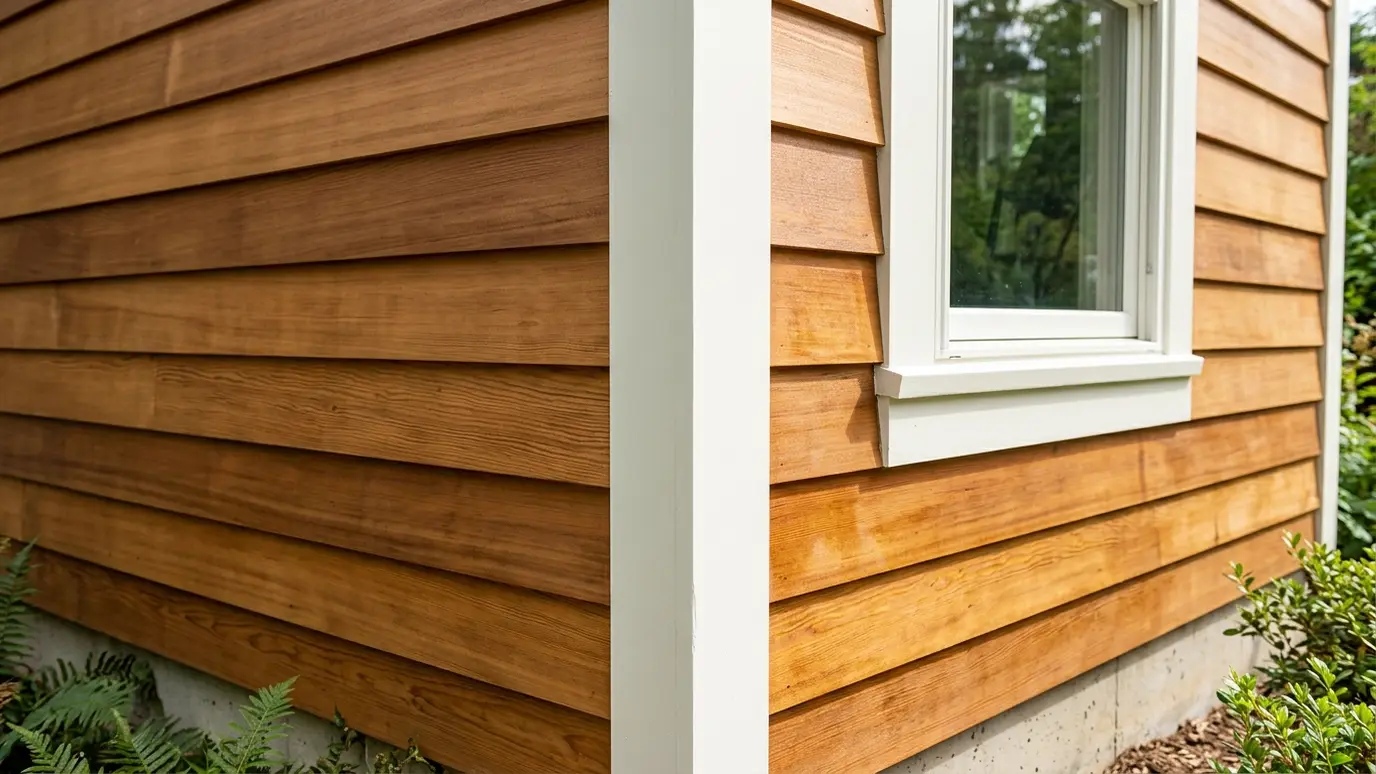
Prime and paint all sides and ends of exterior trim. Seal deck boards and posts on a schedule.
Cut ends are the weak points.
Ground contact and ventilation
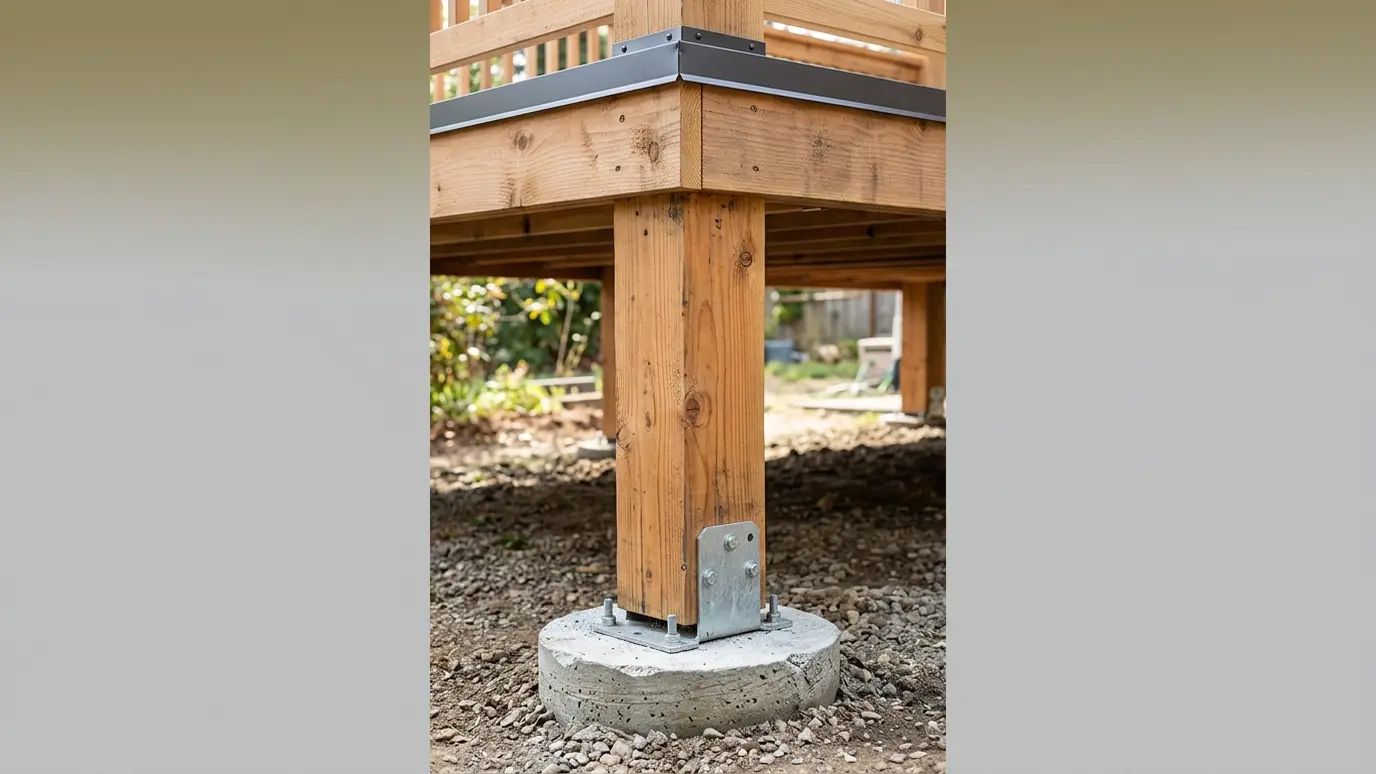
Keep wood off the soil, use treated lumber where required and let air move under decks and in crawl spaces.
Standing moisture is a rot risk.
Inspect and repair early
Probe suspicious spots with a screwdriver. Replace soft wood and fix the cause quickly.
Small repairs prevent large ones.
Keep wood dry with flashing, drainage and a good finish, and fix small problems early.