
Scope and complexity
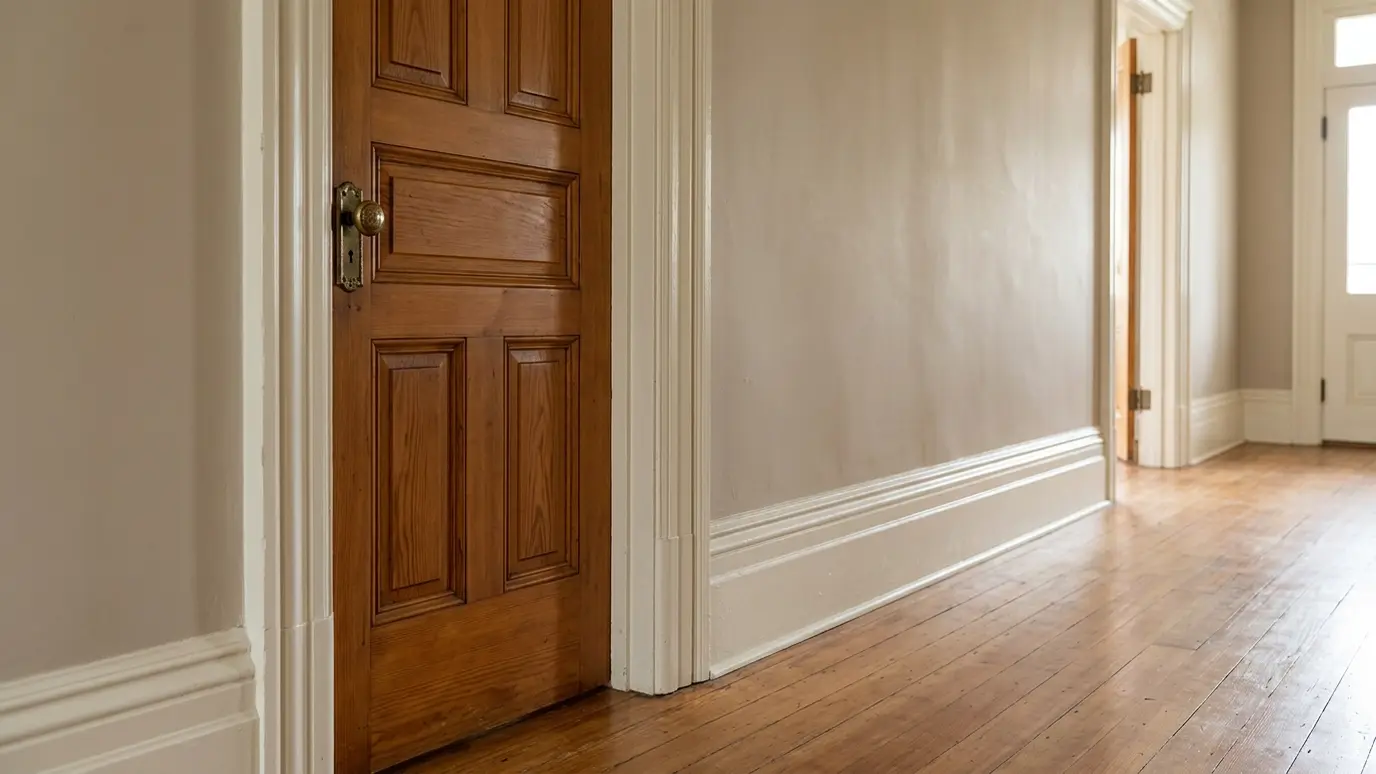
The size of the job and the number of details drive most of the cost. Trimming one room is a small project, and trimming a whole house with crown, wainscoting and built-ins is a large one.
Complexity matters too. Curved work, tight tolerances and custom profiles take more time than straight, simple installs.
Materials and species
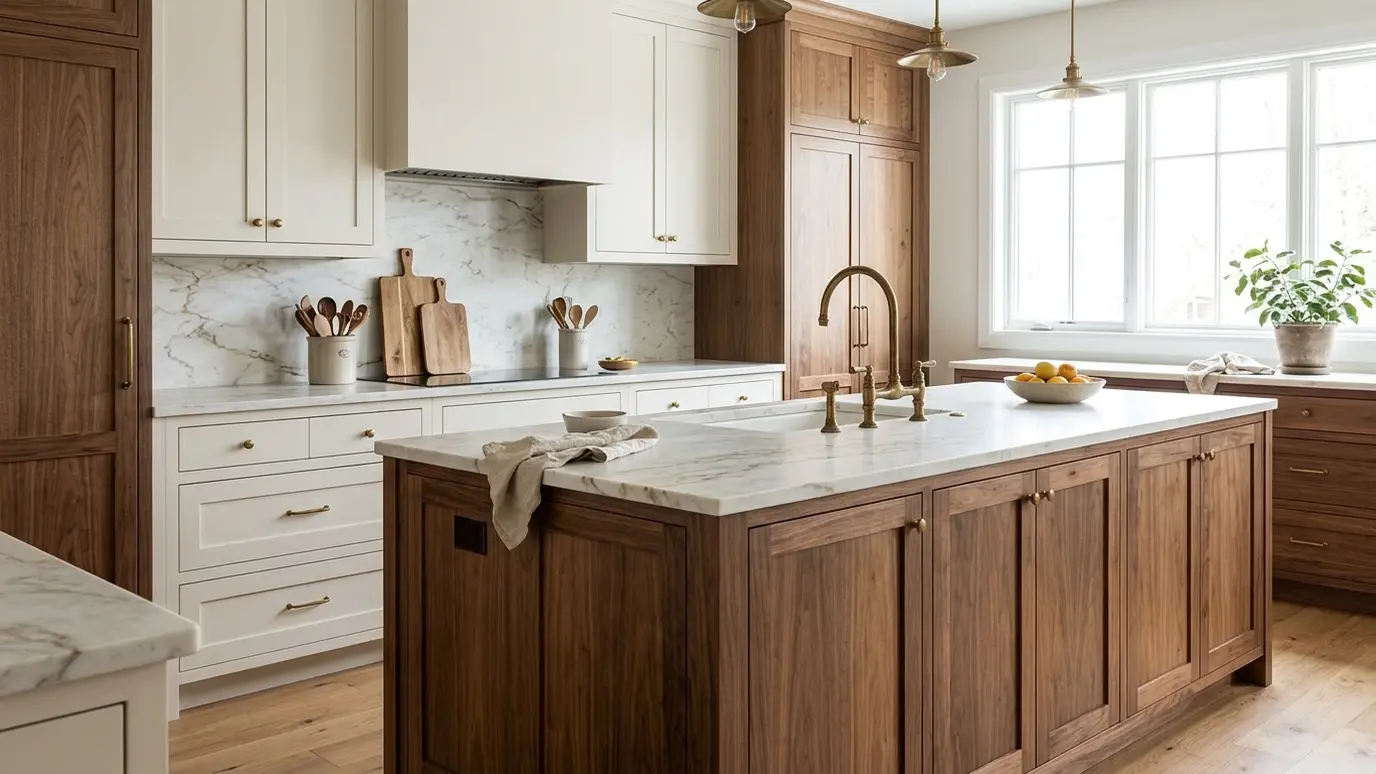
Pine, poplar, oak, walnut and reclaimed timber have very different prices. Sheet goods, hardware and finishes add to the total as well.
Choosing a few premium materials for focal points and economical ones elsewhere is a smart way to control cost.
Labor and skill
Experienced finish carpenters work faster and avoid costly mistakes. Rough framing and finish carpentry also use different skills and rates.
Ask who will be on your job, because skill affects both quality and speed.
Access, demolition and prep
Stairs, tight spaces, occupied homes and demolition add time. Protecting floors and furniture also takes effort.
A good proposal explains what prep is included.
Design, drawings and permits
Custom work may need drawings, and structural work may need engineering and permits. These items should be in the proposal and not a surprise.
Ask what is included and what is extra.
How to compare quotes
Compare scope, not totals: materials, finishes, labor, cleanup, schedule and what is excluded. Ask for a written proposal and ask how changes are handled.
A clear scope with allowances stated is a sign of an organized carpenter.
Compare written scopes, choose where to spend on materials and plan a contingency for what is behind the walls.