
Wood is a sponge
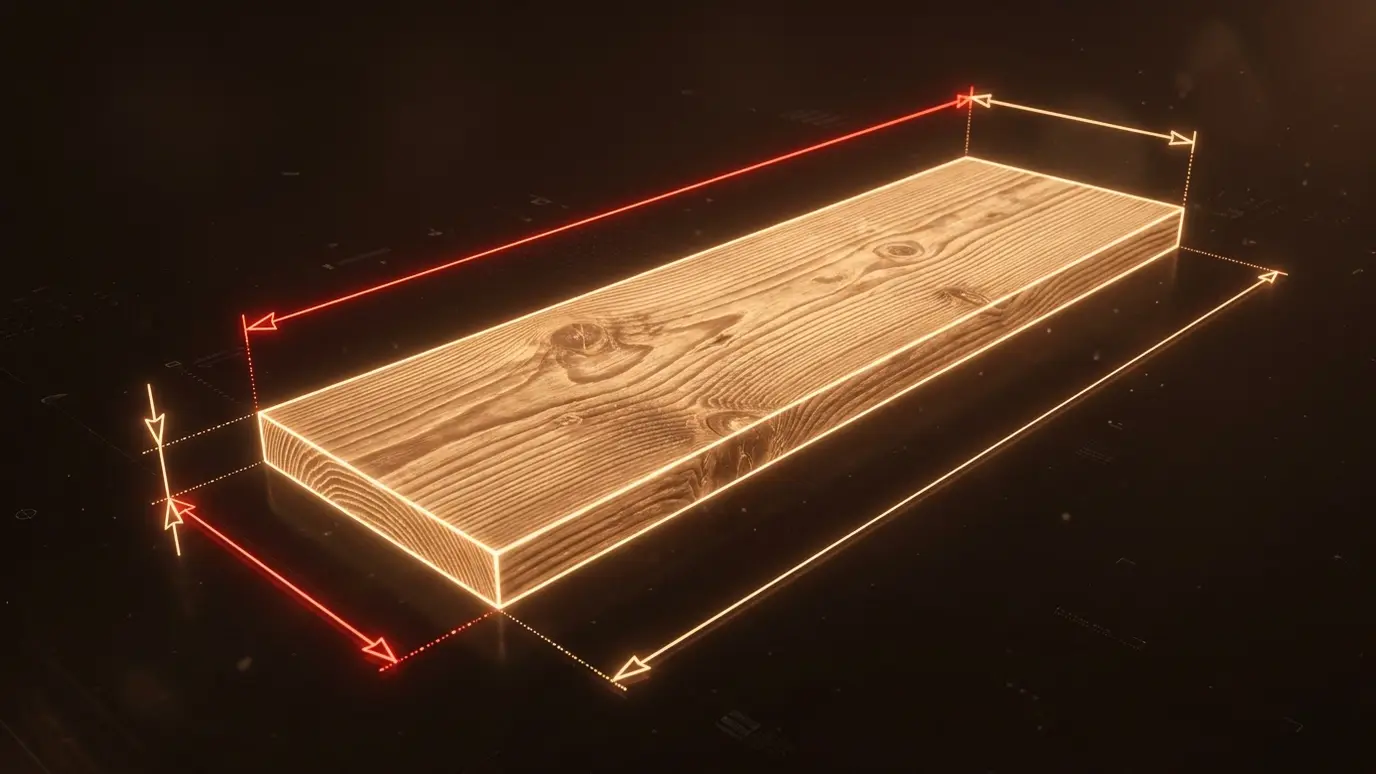
Wood takes up and gives off moisture as air humidity changes. It swells in damp seasons and shrinks in dry ones, mostly across the grain.
Middle Tennessee has humid summers and drier winters.
Moisture content
Lumber is dried to a target moisture content before use. A meter measures it, and wood should match the home's conditions before installation.
Installing wet wood causes gaps later.
Doors and trim
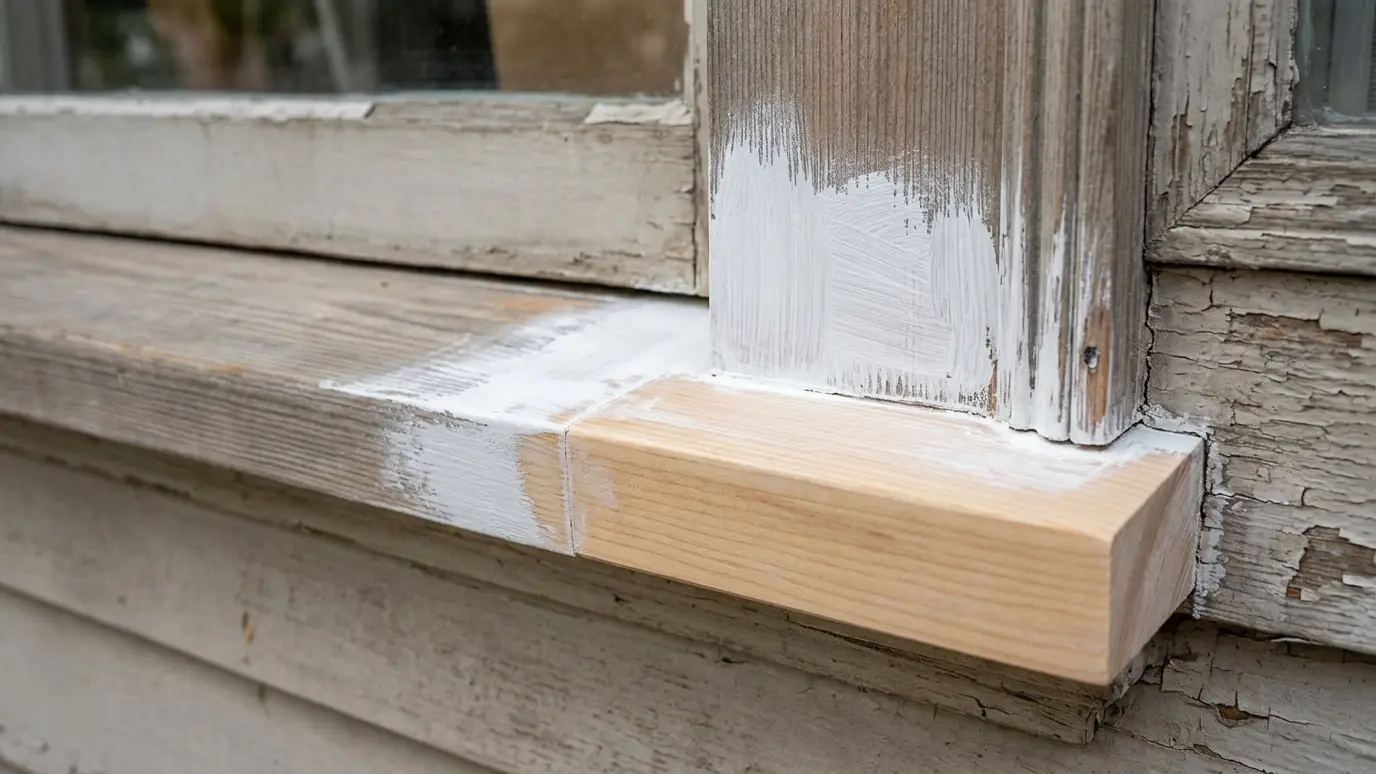
Doors stick in summer and gap in winter. Leaving small reveals and sealing all edges helps.
Trim is nailed so it can move a little.
Furniture and tabletops
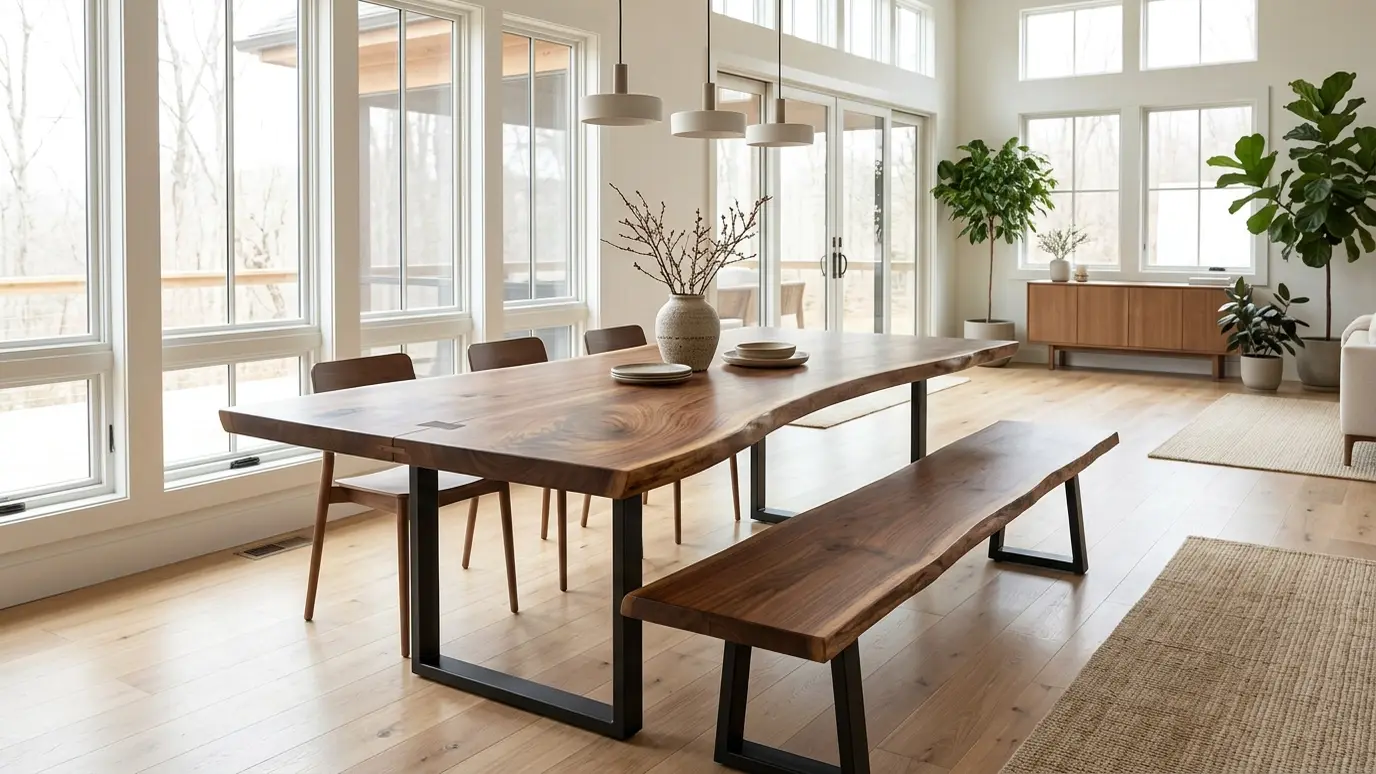
Solid tops need fasteners that allow movement. Breadboard ends, buttons and slots keep them flat.
Glue only where the grain runs the same way.
Floors and subfloors
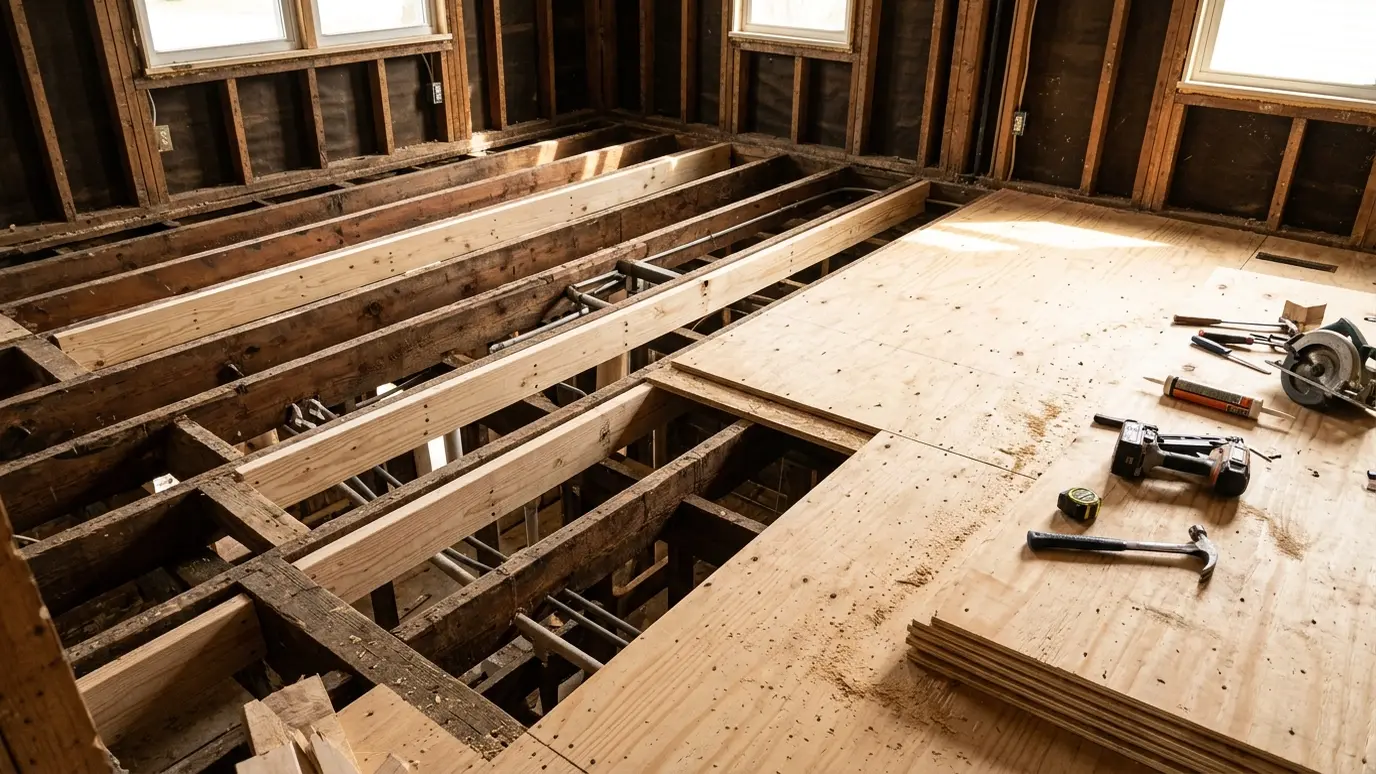
Hardwood floors need expansion gaps and a dry subfloor. Crawl spaces need vapor barriers.
Moisture below shows up as cupping above.
Decks and exteriors
Rain and sun cycle exterior wood constantly. Boards need gaps for drainage, sealed ends and ventilation below.
Good details extend the life of the work.
Let wood acclimate, leave room for movement and keep it dry.